Vet Care
Pet Annual Exam: How to Prepare Your Dog or Cat for the Vet
Heading to your pet's annual exam? Here's what to track beforehand, what to bring, and which questions to ask your vet for both dogs and cats.
The appointment reminder pops up on your phone: “Annual wellness exam, Tuesday, 2pm.” You confirm it, and then… You show up and hope for the best. No notes, no questions written down, nothing tracked since last year’s visit. Ten minutes later, you’re driving home, realizing you forgot to mention the limp you noticed last month.
The short version: an annual exam goes best when you arrive with three things. You want a few weeks of notes on how your pet has been, a short list of questions, and your pet’s vaccine and medication records. The rest of this guide walks through each one, plus what actually happens in the exam room.
An annual exam is one of the few times a vet gets a full, unhurried look at your pet when nothing is actively wrong. That makes it valuable, but only if you walk in with something more than “he seems fine.”
Why the annual exam matters more than it feels like it does
Pets are experts at hiding subtle changes. A little more thirst, a little less energy, a pound or two of weight change: none of it looks urgent day to day. But a vet trained to spot patterns can catch something early precisely because they’re not just reacting to a crisis.
A yearly visit gives your vet a baseline to work from:
- Weight trends can reveal issues long before symptoms show up
- Bloodwork baselines give your vet something to compare against later
- Behavior changes you’ve half-noticed are worth saying out loud
- Dental health is often overlooked until it’s painful
The exam is only as useful as the information you bring into the room.
What happens during an annual wellness exam
Every clinic runs things a little differently, but most annual visits follow the same rough outline.
The conversation
Your vet will usually start by asking how your pet has been: appetite, energy, thirst, bathroom habits, behavior, and anything that’s changed. This is where your notes do the most work. A pet who is calm and quiet in the exam room can look very different at home, and your vet can only act on what they see and what you tell them.
The hands-on exam
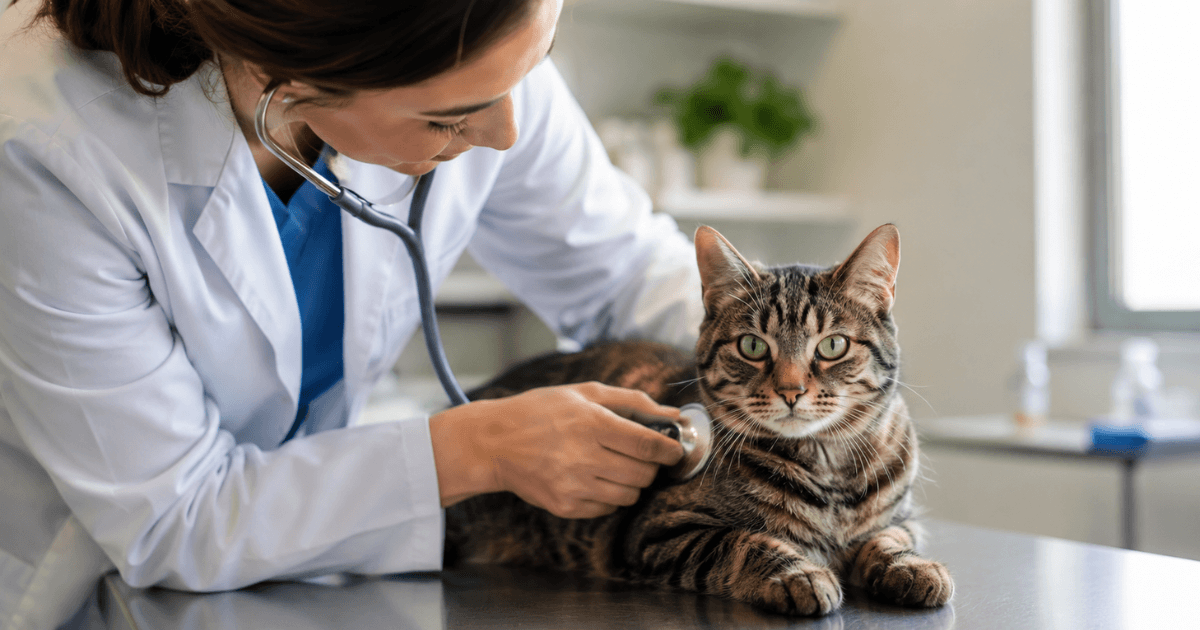
Expect your vet to weigh your pet and then go over the body: eyes, ears, mouth and teeth, skin and coat, heart and lungs, abdomen, and joints. If something doesn’t feel or sound right, they’ll tell you what they noticed and what they’d like to do next.
Vaccines and parasite prevention
The visit is also when vaccine status gets reviewed and any boosters that are due are discussed. Your vet will talk about parasite prevention too, such as fleas, ticks, heartworm where it’s a concern in your area, and intestinal parasites. Which vaccines and preventives your pet needs depends on age, lifestyle, and where you live, so this is a conversation, not a fixed menu.
Lab work, if recommended
Depending on your pet’s age and history, your vet may suggest bloodwork, a urine test, or a stool test. These aren’t automatic everywhere. If you’re unsure why a test is being recommended, ask what it’s looking for and how the result would change your pet’s care.
What to track in the weeks before
You don’t need a medical degree to prepare. A short list goes a long way, and two to four weeks of notes is plenty:
- Weight, if you have a home scale or note it from the last visit (not sure whether your pet is in a healthy range? Our guide to the body condition score shows what to look for)
- Appetite and water intake, especially any recent changes
- Energy level, compared to a few months ago
- Bathroom habits, including anything unusual
- Any new bumps, limps, coughing, scratching, or behavior shifts, even minor ones
You’re not diagnosing anything. You’re giving your vet a clearer picture than “he’s been a bit off.”

What to bring to the appointment
A little organization at the front desk saves a lot of back-and-forth in the exam room. Bring:
- Vaccine records, especially if your pet has seen more than one clinic (here’s how to track vaccines without losing the paper card)
- A list of current medications and supplements, as written on the label or prescription
- The food brand you use and roughly how much you feed
- Your notes and written questions
- A stool sample, if your clinic asked for one (call ahead if you’re not sure)
- A secure carrier or leash, plus a favorite treat or blanket for comfort
If you want a broader list that works for any vet visit, not just the annual exam, see the ultimate vet visit checklist.
If your pet’s records are scattered across old emails, paper folders, and different clinics, pull them together before the visit. PawCare AI keeps vaccines, weight history, medications, and past vet visits in one profile, and its weekly health reviews give you a running picture to bring into the exam room instead of trying to recall everything from memory. You can also export a PDF health report to show your vet.
Questions worth asking at the exam
Vets appreciate specific questions more than a vague “does he look okay?” Consider asking:
- Is my pet’s weight in a healthy range for their breed and age?
- Are vaccines or boosters due before the next visit?
- Should we run bloodwork this year, and why or why not?
- How do my pet’s teeth and gums look, and is there anything I should do at home?
- Is the food and portion size right for their age and weight?
- Is there anything about their behavior worth watching more closely?
- What changes should make me call before the next annual visit?
If your pet is older, also ask whether they should be seen more often than once a year. Our guide to senior pet health changes covers what’s worth raising.
Vets cover a lot of ground in a short appointment, and it’s easy to walk out remembering half of what was said. Jot down the answers as you go, or ask the vet to repeat anything important.
Preparing a nervous pet
Some pets treat the clinic like a threat. A few things help:
- Let the clinic know ahead of time that your pet gets anxious
- Use a carrier or well-fitted leash, and bring a familiar blanket or treats
- Keep your own tone calm, since pets pick up on tension
- Ask whether a quieter appointment time or a low-stress handling approach is available
If your pet’s anxiety is severe, talk to your vet about options. Don’t give any calming product or medication without their guidance.
Can a wellness exam happen at home?
Some veterinary practices offer mobile or in-home visits, and for some pets, especially those who get very stressed at the clinic, that can be a good fit. Availability, cost, and what’s included vary by area and provider, so check with the practice about what the visit covers and whether any tests or procedures still need to happen at a clinic.
What you can do at home, whatever type of visit you choose, is the observation work between exams: noticing changes in weight, appetite, energy, and behavior, and writing them down. Home checks support your vet’s exam. They don’t replace it.
Don’t wait for the annual exam if something seems off
An annual exam is for preventive care, not a reason to hold off on a concern. If you’re unsure whether something can wait, our guide to the 10 signs your dog needs to see a vet soon can help you decide.
Frequently asked questions
How often does my pet actually need a wellness exam?+
Is a wellness exam different from a sick visit?+
What if I can’t remember when something started happening?+
The bottom line
An annual wellness exam works best as a conversation, not a formality. Show up with a few weeks of honest observations, a short list of questions, and your pet’s records, and you’ll get far more out of those fifteen minutes than a routine once-over.
Keep reading
Jul 26, 2026
How to Transfer Your Pet's Medical Records to a New Vet
Switching vets? Learn what pet medical records to request, how to send them to a new clinic, what to keep for yourself, and how to avoid missing history.
Jul 28, 2026
Emergency Vet Visit: What to Bring and Know Before You Go
Know what information, records, and medications to have ready before an emergency vet visit so your pet's care can start without unnecessary delays.
Jul 27, 2026